
Why darker interiors are making a return.
As we head into autumn, interiors are taking a darker, more atmospheric turn. Reflected in WGSN and Coloro’s recent forecasts, shades including Transformative Teal, Cocoa Powder, Future Dusk and Cherry Lacquer point towards a growing appetite for richer, more expressive colour.
But the move towards a moodier aesthetic isn’t being driven by colour alone.
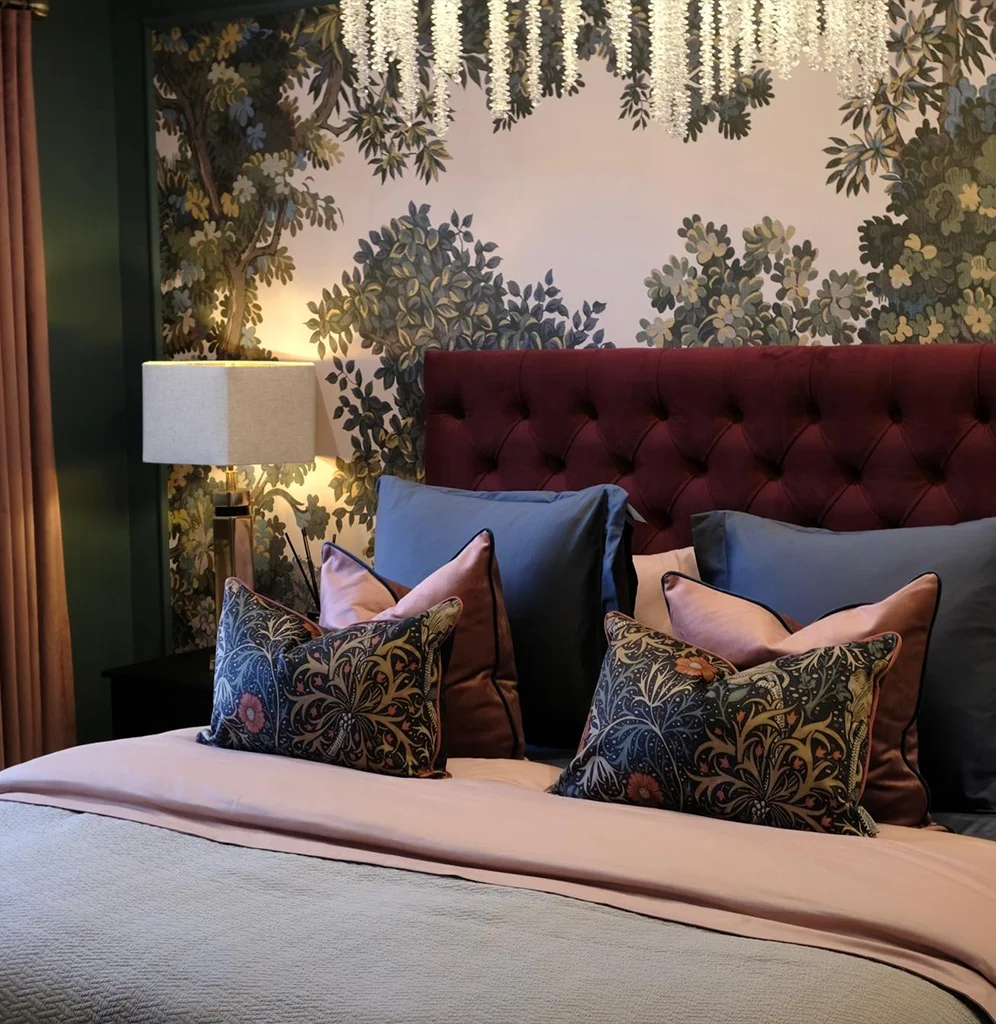
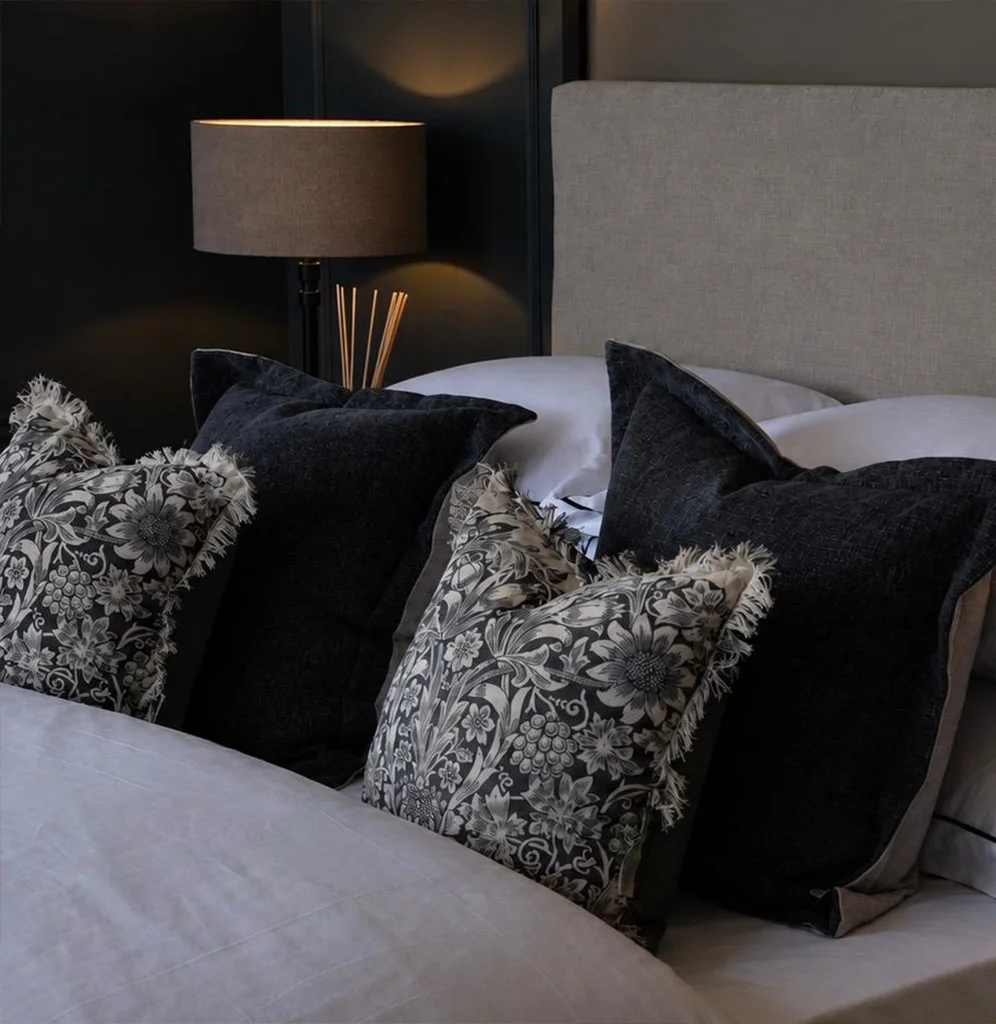
At Maison&Objet, heritage, craftsmanship and memory have been prominent influences within contemporary design. Rather than faithfully recreating interiors of the past, traditional references are being reinterpreted through new materials, forms and more expressive combinations.
Together, these influences point towards interiors with greater personality – and perhaps a little less interest in playing it safe.
A peek inside The Fordwood
Coinciding with this shift is The Fordwood at Choristers, designed for Miller Homes and inspired in part by BBC’s The Traitors. The show home embraces a decidedly moodier aesthetic, combining deep colour, dark timber, heritage influences and collected accessories with playful references to the programme.
There’s a bespoke round table, a turret-inspired study and portraits of the ‘banished’ above the mantelpiece. But beyond these playful details is an interior that taps into something much bigger happening within design right now.
The return of atmosphere
Warm neutrals have softened the cool greys of previous years, but we’re now seeing greater confidence in introducing richer, more saturated colour.
At The Fordwood, deep greens and rich hues envelop the rooms, balanced by pattern, texture and traditional materials to keep the scheme warm rather than heavy. Intricate wallpaper, striking artwork and layered finishes create an intimate backdrop, providing a strong foundation for different materials and decorative pieces.
Interior Designer, Francesca Ralph, advises homeowners not to shy away from wrapping deeper colours around all four walls. Rather than automatically making a room feel dark or enclosed, a rich colour can ground the space and create a warmer, more inviting atmosphere.
The key is balance. Introducing variation through texture, pattern and material prevents deeper shades from feeling flat, while warmer finishes and carefully placed lighting can soften the overall effect.
Craftsmanship in contemporary interiors
Alongside darker colour, we’re also seeing renewed interest in historical and heritage influences – particularly how craftsmanship, traditional references and local stories can be reinterpreted within contemporary interiors.
At The Fordwood, the original design direction centred around the character of a Scottish manor house and country aesthetic, with further influence taken from the historic architecture of nearby Lichfield, including its iconic three-spired cathedral. The more playful references to The Traitors were layered in afterwards.
Client Account Manager, Sarah Hatfield, explains: “The brief gave us a strong foundation to work from. We took the character of a traditional Scottish manor house and the heritage of the local area as our starting point, which gave the designers scope to introduce more playful references without allowing the theme to take over the interior.”
Rather than recreating a traditional country house, these references provide a foundation from which to build. Darker woods, traditional furniture forms, pattern and contemporary pieces are brought together to create an interior that feels characterful without becoming overly themed.
Curate rather than coordinate
This more expressive approach also moves away from the idea that everything within an interior needs to match.
In The Fordwood’s living room, heritage-inspired pattern sits alongside a traditional leather armchair and faux-antler chandelier, while floral motifs and tactile cushions soften the scheme. A record player, vinyl, books, and collected accessories add further layers, giving the room a sense of having developed over time.
Interior Stylist, Louise Roberts, explains: “Individually, these elements don’t necessarily ‘match’. What connects them is their shared palette, heritage influence and rich mix of materials. Repeating these subtle details throughout a room allows contrasting patterns and pieces to sit comfortably alongside one another without the overall space feeling disconnected.”
Layering different periods, patterns, materials and personal pieces can give an interior a greater sense of permanence and individuality – particularly within a new-build home, where you’re often starting with a completely clean slate.